
Blog
Blog
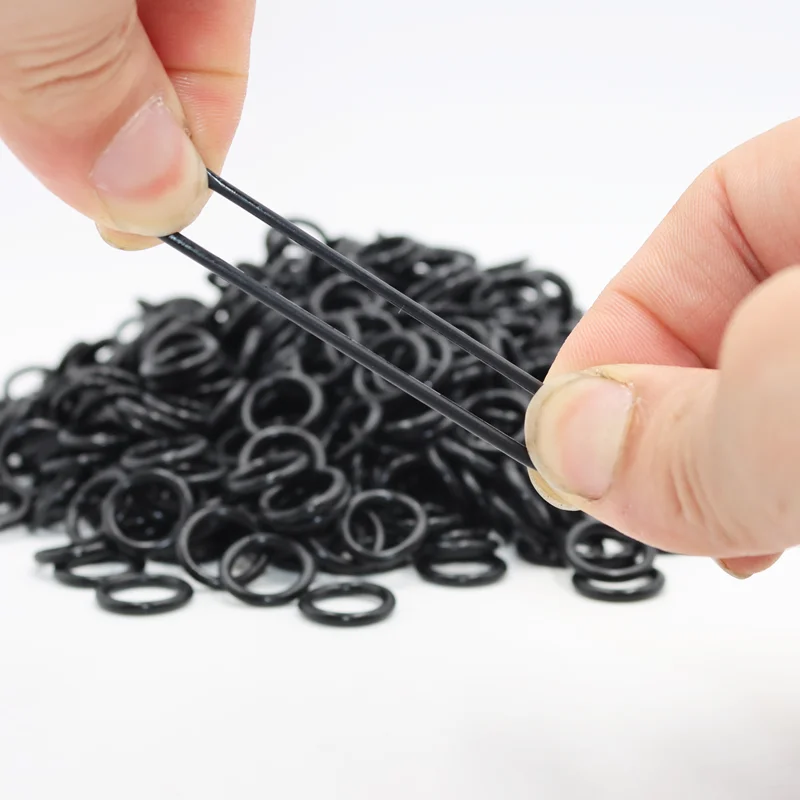
O-Ring Installation Guide
How to Install an O-Ring: A Quick Step-by-Step Guide
- Prepare the Components
- Clean the groove and mating surface thoroughly. Remove all dirt, burrs, or sharp edges that could damage the O-ring.
- Choose the Right Lubricant
- Apply a thin, compatible lubricant to the O-ring. This helps with installation and prevents twisting or pinching.
- Install the O-Ring Carefully
- Gently fit the O-ring into the groove. Avoid overstretching it, as this can weaken the material and cause leaks.
- Check for Proper Seating
- Ensure the O-ring sits evenly in the groove, with no twists or gaps. The seal should be flush with the surface.
- Assemble the Parts
- Align the mating components carefully. Slide them together slowly to avoid nicking or displacing the O-ring.
- Test for Leaks
- After assembly, perform a pressure or leak test to confirm the seal works as intended.
O-ring Cross border Logistics Cost saving Tips
How to Save on O-Ring Cross-Border Shipping
Consolidate Orders
Combine multiple O-ring sizes or batches into one shipment to reduce per-unit freight costs.
Choose the Right Packaging
Use compact, lightweight packaging (e.g., sealed bags) instead of bulky boxes to cut down on volumetric weight fees.
Compare Shipping Carriers
Check rates from multiple carriers—e.g., YunExpress, 4PX, and SFC—to find the cheapest option for your destination.
Ship in Bulk by Sea for Large Orders
For high-volume orders, sea freight is far cheaper than air shipping, though it takes longer.
Avoid Express Services for Non-Urgent Orders
Skip expensive express couriers. Standard or economy shipping is sufficient for most non-time-sensitive O-ring deliveries.
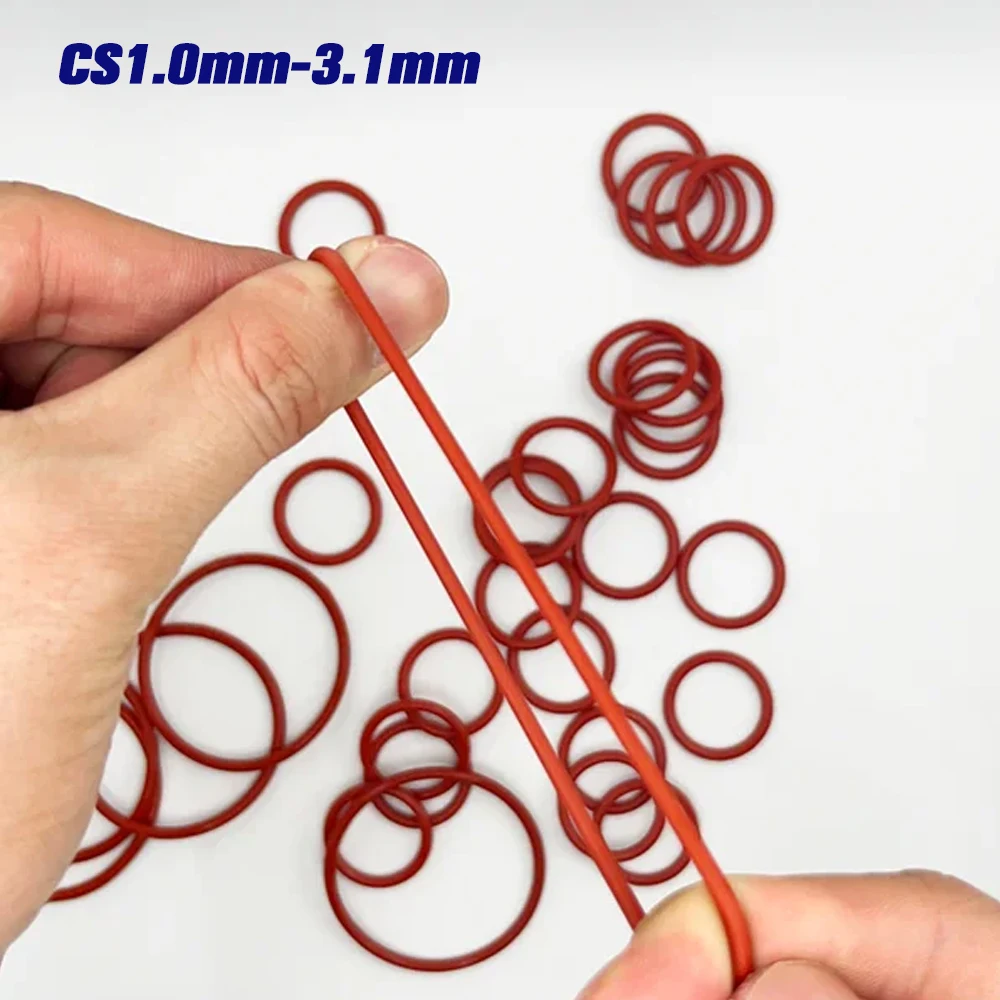
How to choose the appropriate O-ring for yourself
How to Choose the Right O-Ring for Your Needs
Confirm the Size & Dimensions
Measure the inner diameter (ID), outer diameter (OD), and cross-section (thickness) of the groove. Even a 0.1mm difference can cause leaks.
Check the Working Conditions
Note the operating temperature, pressure, and the type of fluid it will seal (oil, water, gas, chemicals). These affect material choice.
Pick the Right Material
Common options: Nitrile (NBR) for general oil use, Viton (FKM) for high heat/chemicals, and EPDM for water/steam. Match the material to your conditions.
Verify the Standard
Choose O-rings made to reliable standards (ISO, ASME, or JIS) to ensure they fit and perform as expected.
Consider Compression
Ensure the O-ring will have 10–30% compression when installed, depending on the application. Too much or too little can cause failure.